Planning a cropping strategy used to be about rotation, yield, and agronomy. Now, it’s about risk. Margins are tighter, weather is less predictable, and every decision carries more weight—especially when it comes to machinery.
Across the farms we speak to, one thing is clear: crop choices aren’t fixed anymore. They’re being adjusted year by year, sometimes field by field, depending on what’s likely to work. And that shift is starting to shape machinery decisions just as much as soil type or workload ever did
Crop choices are becoming more tactical.
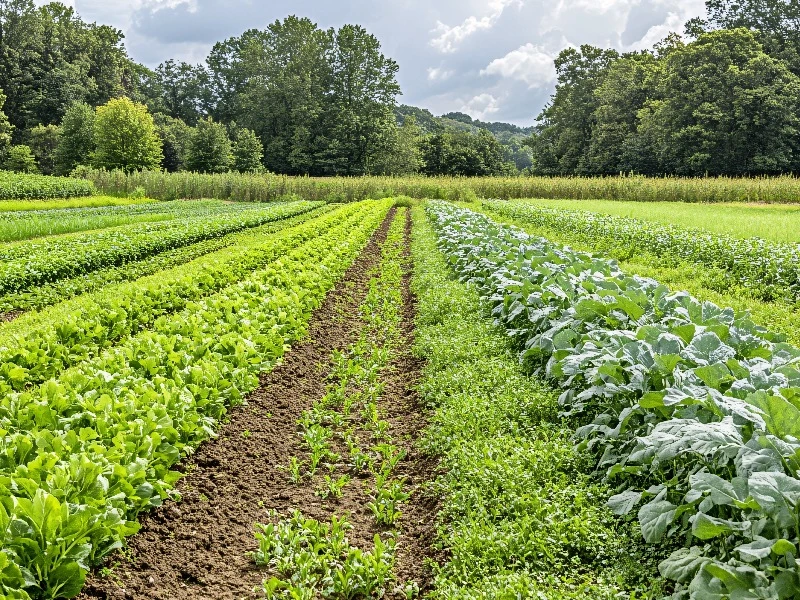
There’s no single direction of travel. Farmers are making practical decisions based on what’s likely to work—not what’s traditionally been grown.
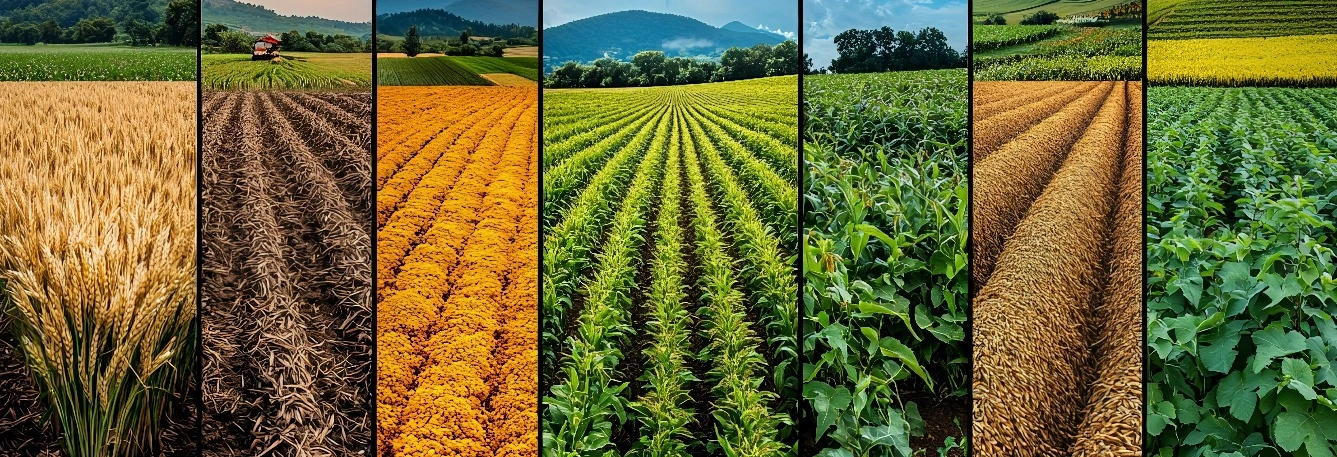
From our conversations with UK farmers, we’re seeing a cautious return of Oilseed rape in some areas where conditions allow, and pest management is succeeding;
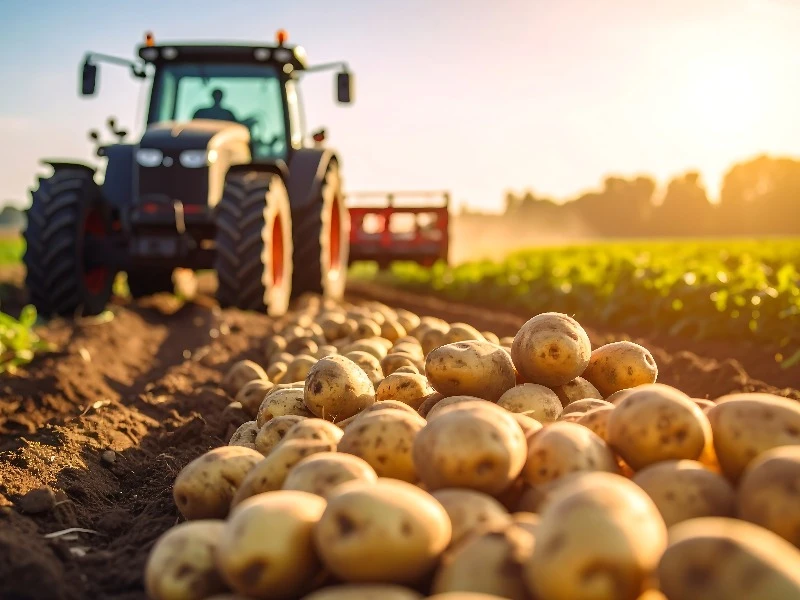
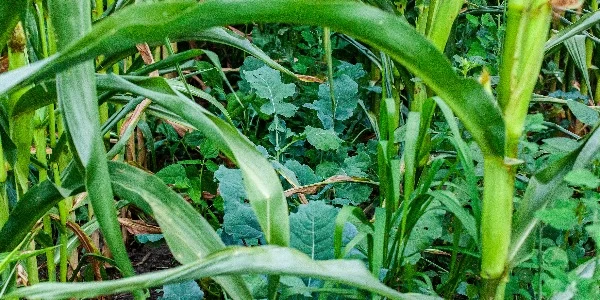
maize continues to increase nationwide, driven by livestock demand and the growth of anaerobic digestion. At the same time, crops like sugar beet and potatoes are becoming harder to justify for some growers, with contract prices, lifting conditions, and lack of control all weighing on decisions.
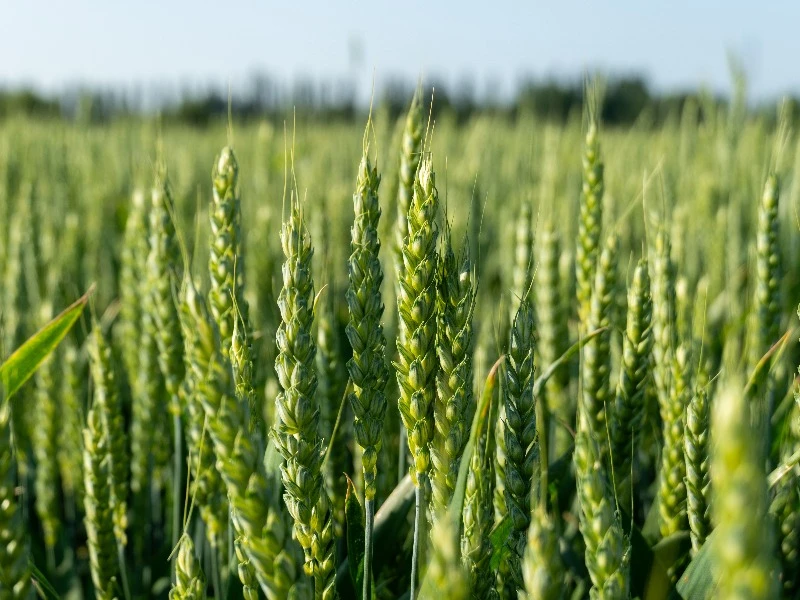
Break crops are still holding their place, too—not because they’re high margin, but because they support the following wheat crop. None of this is accidental. It’s farmers managing risk in a way that keeps the business moving.
Every crop change has a machinery consequence.
What crops are grown in the field directly affects what’s needed in the yard.
Changing crops impacts
drilling,
cultivation, and harvesting. Establishment windows shift, soil preparation requirements change, and harvesting conditions can vary more than expected. Machinery that suited the system five years ago doesn’t always suit it now.
A drill that worked well before could have difficulty in a different rotation. A cultivator that was “about right” may no longer deal with the conditions you’re facing.
That leaves a decision: invest in more specialised machinery, or run equipment that can handle a wider range of conditions. Neither approach is wrong, but both come with trade-offs.
Flexibility is becoming more valuable.
In a stable system, specialist machinery has a clear place. But when crop choices are shifting, flexibility becomes more valuable.
Farmers are thinking beyond this season. They’re asking whether a machine will still suit them in two or three years’ time, and whether it can handle different crops, soils, and conditions without becoming a limitation.
The risk isn’t just buying the wrong machine for today—it’s buying one that restricts what you can do next. That’s why more farmers are leaning towards machinery that can adapt, even if it means compromising slightly in ideal conditions.