Modern Farming Still Comes Down to People
Farming has changed dramatically over the last 25 years.
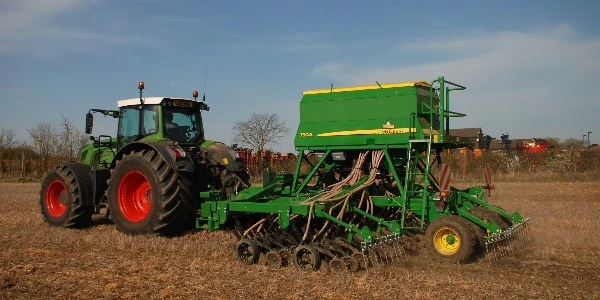
Machinery and technology play a major role in modern agriculture, impacting margins,
input costs, labour, compliance, weather uncertainty, and daily decision-making.
For modern farm business owners and managers, the pressure to keep everything moving has never been greater.
But despite all the change across the industry, the farms that continue to perform well over time often have the same foundations in place.
Good people.
Clear communication.
Strong leadership.
Practical decision making.
No matter how machinery advances, the most successful farms focus on getting the basics right first.
Technology Helps, But It Doesn’t Replace Good Management
Modern farming relies heavily on technology.
Precision farming systems, automation, GPS guidance, data collection and increasingly capable machinery have all helped farms improve efficiency and productivity. Many businesses can now cover more ground with fewer people while making better-informed decisions.
Technology alone does not build a strong farm business.
As an experienced farm manager and fresh produce director, Richard Price explained during our conversation:
“A lot of it still comes back to basics.”
Technology can support those decisions, but it cannot replace practical experience or strong management.
The farms that tend to handle pressure best are usually those with clear leadership, good organisation, and teams working together towards the same goals.
When conditions are tough, good management matters more than new technology.
The Best Farm Businesses Put People First
For readers managing or working in farming businesses, one of the strongest themes throughout the discussion was the importance of people management within modern farming operations.
Whether it’s a family-run farm or a large-scale operation employing multiple teams across different sites, building the right culture has a huge impact on long-term success.
Richard repeatedly returned to the importance of listening to people and involving them in the wider business.
That means:
- listening to operators
- encouraging communication
- involving staff in decisions
- creating shared goals
- building trust across the team
He described one of the biggest parts of his role simply as:
“Listening.”
That can sometimes be overlooked in farming, where attention naturally focuses on
machinery, workloads, yields and financial pressure.
Farms remain built around people.
The businesses that perform best are those where people feel valued, included, and central to success.
When people understand the direction of the business and feel part of the process, standards usually improve across the board.
Machinery Decisions Need Operator Buy-In
Naturally, factors like finance costs, fuel use, reliability and resale value all play a major role when deciding what machinery to buy.
But the discussion highlighted another important factor that is sometimes overlooked:
The people use the machinery every day.
Richard shared an example where a farming business considered changing tractor brands primarily for financial reasons. On paper, the numbers looked attractive. But operators strongly preferred the existing machines they were already familiar with.
Rather than forcing the decision through, management involved the operators in the discussion from the beginning.
They talked openly about:
- running costs
- productivity
- wages
- practical concerns
- long-term business value
By involving the operators in the process, the business created understanding and buy-in before making any changes.
Operator involvement is a critical factor in long-term machinery and business performance.
Machinery performs best when operators trust it, understand it and feel confident using it day after day.
Good communication around machinery decisions can often improve productivity just as much as the machinery itself.