Chat on WhatsApp

Published by Jason White on 20th Apr 2026

Optimising Input Costs in Arable Farming: Spend Wisely for Maximum Efficiency in 2026

Controling input costs in arable farming

Blog Image
It’s no secret that this year, input costs are higher and more unpredictable than ever. Fertiliser, fuel, sprays, and labour all add up quickly; small shifts in price or yield soon pressure margins.
For most farmers, the challenge isn’t tracking costs. It’s knowing where to cut without lowering output. Cutting costs smartly is essential; going too far hurts performance and margins.
Here are a few practical steps to help identify and reduce unnecessary input costs:
  • Review recent field records to compare input use with yield results. Look for areas where higher spending did not deliver better performance.
  • Conduct a thorough machinery calibration check before the season starts to prevent over-application of fertilisers and sprays.
  • Test soils regularly to avoid unnecessary fertiliser use on land that may not need additional nutrients.
  • Group purchases of inputs with neighbours to negotiate better prices from suppliers.
  • Identify and target problem patches in fields (rather than blanket treating) for sprays or nutrients.
  • Keep detailed service records and fix small faults promptly to avoid larger, costly breakdowns during crucial fieldwork windows.
Small changes can yield big savings without reducing output.

Focus on effective spending, not just spending less.

Farmers must now seek value and return on investment, not just the lowest price.
That means asking better questions. Where is this input actually making a difference? Where is it being over-applied? And where is it no longer giving a return? For example, a grower might apply more nitrogen across an entire field, thinking it will boost yields, but field records could show that on some lighter patches, yields stay flat or even drop off. In one case, spraying a whole field for a disease when only the edges are affected might result in unnecessary chemical costs with no yield benefit. Looking closely at these situations can highlight where inputs are being wasted or where dialling back has no negative effect.
In some cases, that leads to reducing inputs. In others, it means maintaining them—but using them more precisely. It’s not about blanket cuts. The purpose is to ensure every pound spent works effectively.

Precision is your biggest lever for margin and output.

A major shift underway is using inputs more precisely. Whether through variable rate applications, more accurate drilling, or improved timing, farmers focus on getting it right the first time.
Wasted inputs don’t just cost money—they reduce efficiency all over the system. Overlapping sprays, fertiliser going where it’s not needed, or poor establishment leading to rework, all add unnecessary pressure.
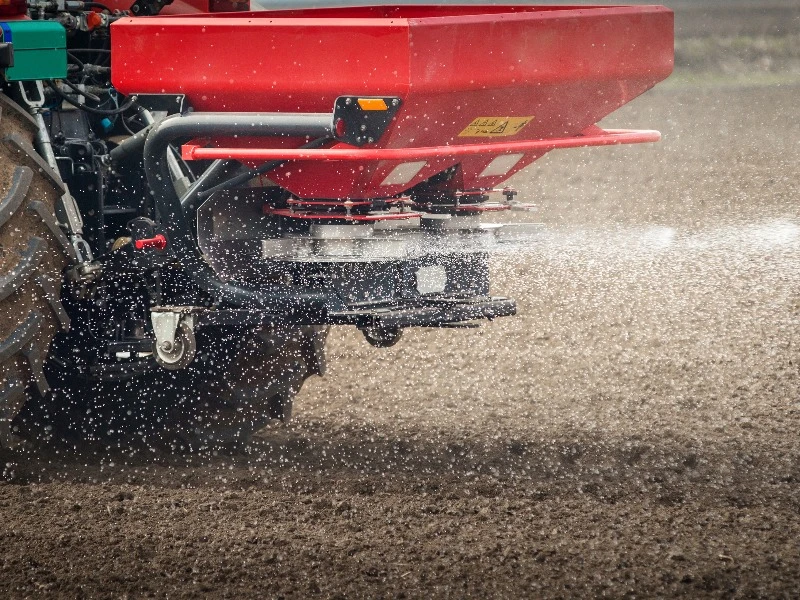
Often, it comes back to machinery. If equipment isn’t set up properly or isn’t accurate enough, it becomes much harder to control input costs, regardless of how good the plan is. Key checks can make a real difference: calibrate seed drills and fertiliser spreaders to the right application rates; ensure sprayer nozzles are clean and delivering even coverage; check tyre pressures to minimise soil compaction; and confirm GPS or guidance systems are up to date. Starting with these basics helps ensure inputs are used where they matter most and cuts out avoidable waste.

Machinery plays a bigger role than it used to

Input efficiency isn’t just about products anymore. It’s about how they’re applied.
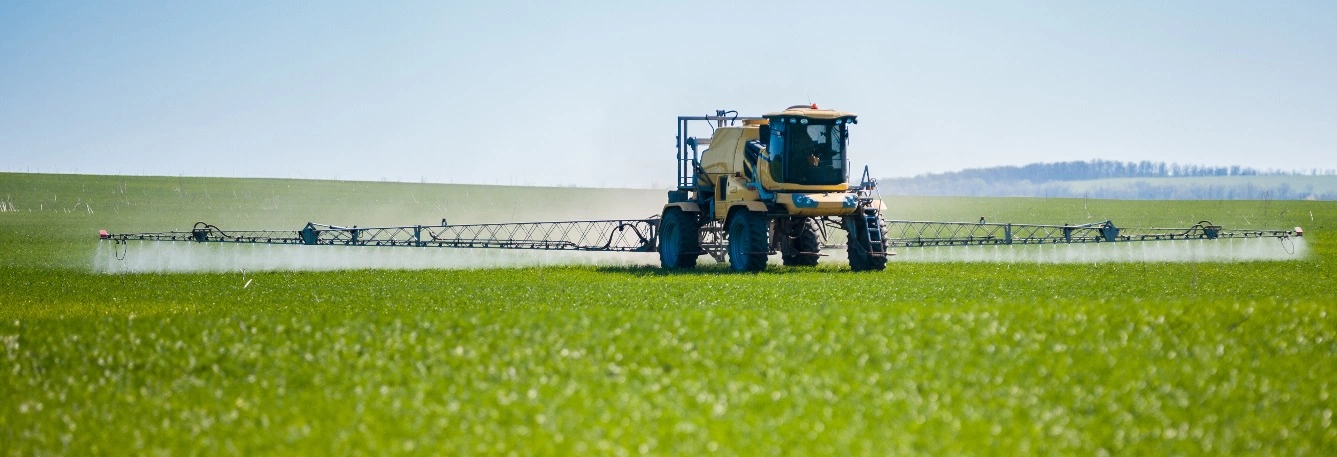
Drills, sprayers, and spreaders determine how efficiently inputs are used. Well-calibrated machines cut waste and maximise results across every field pass.
A poorly set-up one does the opposite.
With tight margins, that difference matters more. More farmers now review if their setup helps—or quietly costs them.

Timeliness still makes the difference.

Even with the best plan, poor timing can ruin it.
Late drilling, missed spray windows, or fertiliser going on in the wrong conditions all reduce the effectiveness of inputs. These aren’t new problems, but they’re more expensive than they used to be.
When input prices rise, any mistake becomes more costly.
That’s why reliability is just as important as efficiency. Machinery needs to be ready when the window opens and do the job properly the first time. Because when timing is tight, there’s no room for going back over it.

Cutting costs shouldn’t create more problems.

Pressure to cut costs is constant, but poorly judged reductions can create greater issues and risk future returns.
Reducing cultivation depth without addressing compaction, cutting seed rates too far, or delaying maintenance to save money can all lead to reduced output or increased workload further down the line.
Efficiency means doing what works best, and doing it consistently well.

A practical approach, based on real farms

We speak to thousands of farmers every year, and the same themes keep coming up. There’s no one-size-fits-all answer. Every farm faces different soils, systems, and pressures.
The goal remains the same: keep output strong, control costs, and avoid risk.
At AMTEC, we begin by understanding your farm’s daily operations. We then advise on how machinery upgrades, setup changes, or training can directly improve your input efficiency. Our service includes hands-on, on-farm evaluations to ensure your resources—and investment—work harder for you.
Because when inputs are this valuable, getting the application right matters more than ever.
As you review your input plans for the season ahead, consider booking an AMTEC on-farm assessment. Get a real review of your machinery, plan for the future and ensure you have what you need to get ahead in these challenging times.

Contact us