Soil problems are harder to ignore—and they start below the surface.
After several tough seasons, many farmers are grappling with compaction, waterlogging, and uneven crop stands.
Wet weather has taken its toll, leaving many soils unrecovered. In fields, water lingers, crops struggle, and land can’t support machinery when needed.
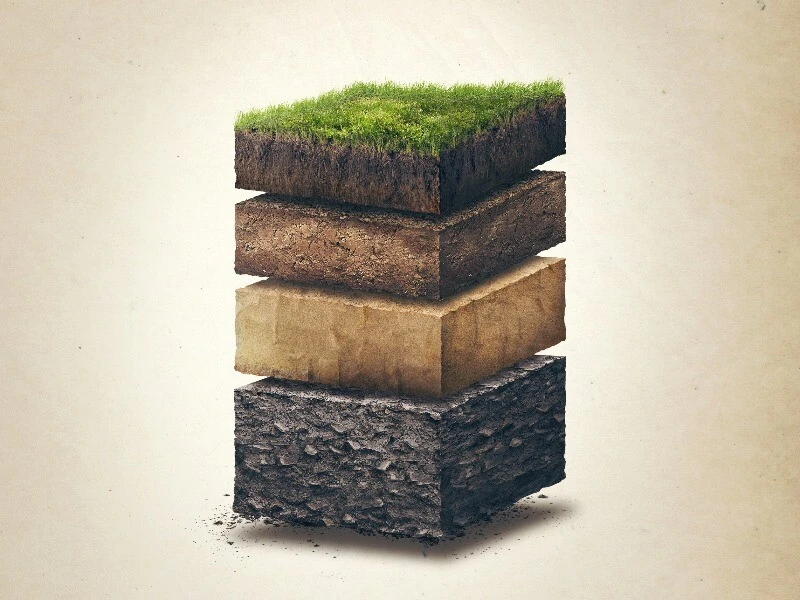
But the issue goes deeper. It extends throughout the entire soil profile.
Topsoil may seem workable, but underneath, compaction restricts roots and traps water. Shallow roots make crops more vulnerable during dry spells and limit the effectiveness of inputs.
Healthy soil isn’t just cosmetic—it’s about real, lasting structure.
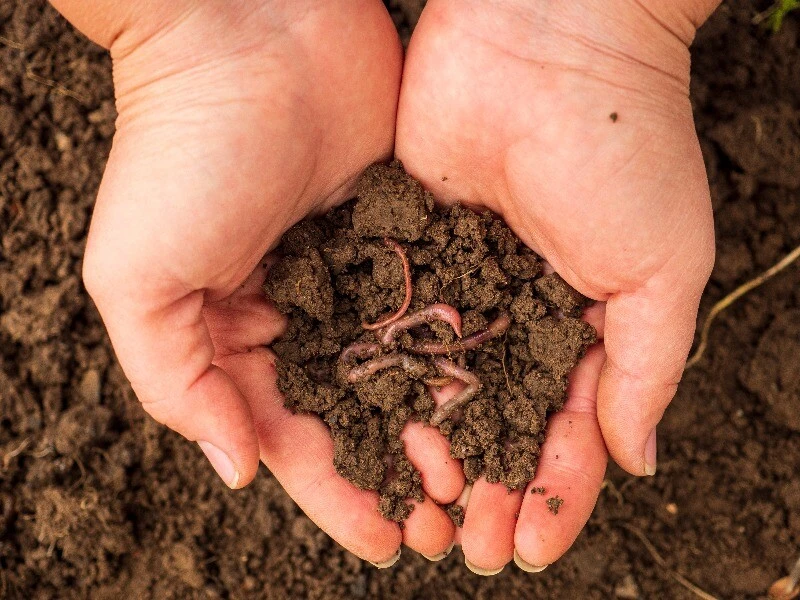
In topsoil, you want rounded aggregates that let air and water move, helping roots establish. Root growth and earthworms naturally improve this structure, so protection is key.
Below that, the subsoil plays a different role. It needs strength. A well-structured subsoil has vertical fissures and channels that allow drainage and deeper rooting, while remaining strong enough to support machinery. Once that structure is damaged, usually through compaction,it doesn’t recover quickly on its own.
There’s no single fix—but there are clear practical checks.
There’s no one “right” system to solve these issues.
Some farms persist with
direct drilling to safeguard structure and minimise disruption. Others revert to
deep tillage to break compaction and reset the soil profile.
Both approaches can work, but only if they meet the field's conditions.
What matters more is acting on a real understanding of your soil right now.
A simple but often overlooked check is comparing different areas of the farm. Dig in an untrafficked area like a hedgerow, then compare it to a headland. The difference in structure, rooting depth, and moisture movement will tell you a lot. In a healthy soil, you will find crumbly, loose aggregates that hold together but break apart easily in your hand. Roots will reach deeper and spread widely, and earthworm channels may be visible. Water should drain freely, leaving the soil moist but not sticky. In contrast, compacted soil will feel dense or hard, break into large clods or plates, and might look shiny or smeared where roots and tools have pressed against it. Roots often grow shallow or twist around blockages, and water tends to pool or run off rather than soak in. Noticing these signs can guide your next steps.
Timing matters here, too. Early spring or late autumn, when soil moisture is right, gives a more accurate picture of how the soil is performing.
These simple tests deliver rapid insights; waiting or relying just on assumptions could delay solutions.
Soil health is built through everyday decisions.
Improving soil isn’t about one big change. It’s built on how the farm is managed day to day.
For instance, one mixed arable farm in Lincolnshire was struggling with compaction in headlands and poor crop establishment. They introduced a deep-rooting cover crop after harvest and changed their rotation to include more oilseed rape, which helped break up compacted layers. At the same time, they started using permanent wheelings and restricted heavy machinery to set tramlines. Within two seasons, they saw marked improvements in drainage, stronger crop stands, and increased earthworm numbers. The change didn’t require a major overhaul—just small, consistent steps focused on roots and traffic.
Then there’s timing.
Running when it’s too wet is one of the quickest ways to damage soil structure, particularly in the subsoil, where recovery is slow. But leaving the ground too long can create pressure elsewhere, especially when drilling windows are tight.
Cultivation approach also matters. Repeated shallow passes create pans, which may impair topsoil drainage, but deep work at the wrong time can also do harm.
It’s the repeated day-to-day decisions we make that quickly shape the soil, but once a structure deteriorates, it takes time and the right actions to restore it.