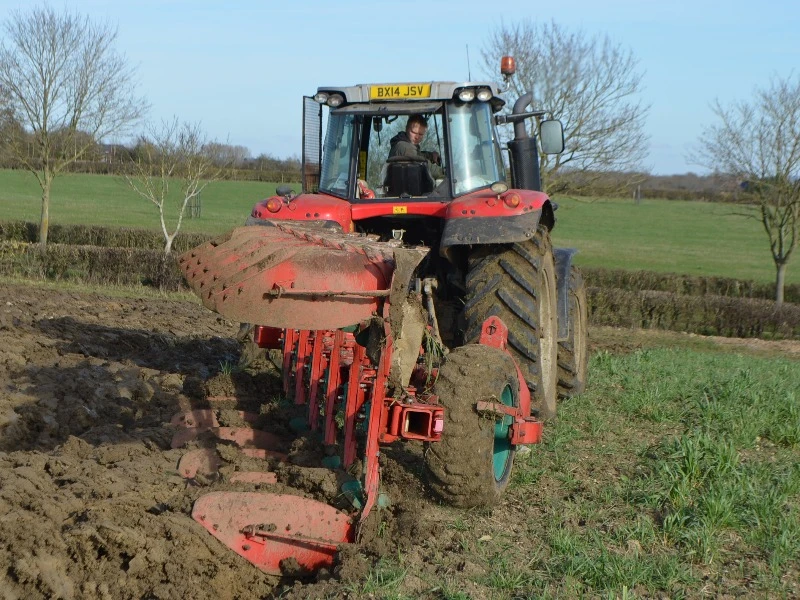
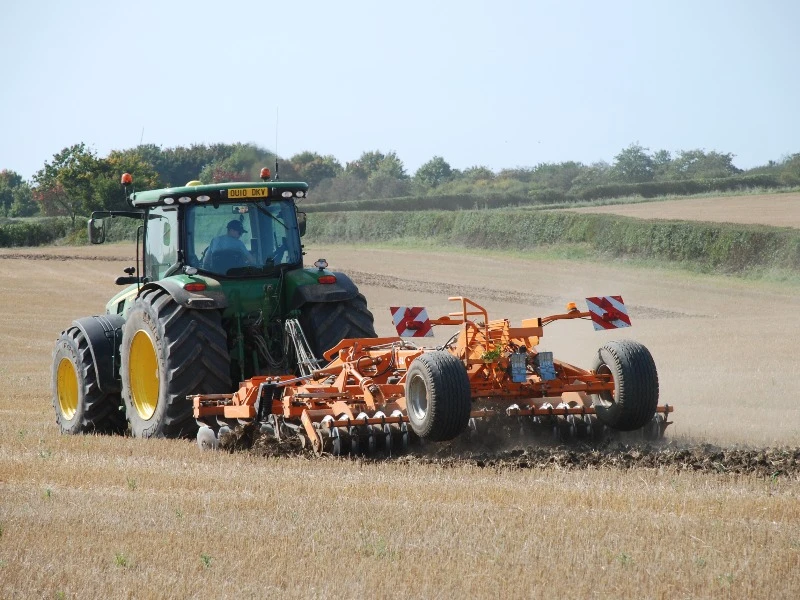
And sometimes the plough is still the right tool.
Predictions of the plough's disappearance have been around for years.
It is still here.
There are good reasons for that.
Ploughing can bury trash, help manage certain weed problems, reset damaged ground and provide an alternative establishment option when another system has struggled.
You don't necessarily need to use it across the whole farm every year.
For some businesses, its value is precisely that it doesn't need to be used every year.
Access to a plough when conditions dictate can be an extremely useful fallback.
We see this particularly with machinery hire. A farm may not want to own a plough 365 days a year, but after a difficult harvest or when certain fields need resetting, access to one for a few weeks can be very valuable.
The weather doesn't read the farming system manual.
This is perhaps the biggest argument for flexibility.
A cultivation strategy can look perfect on paper until the weather changes.
A dry autumn may favour one approach. A wet harvest followed by a short drilling window may require something completely different.
Residue levels change. Soil conditions change. Cropping changes.
During our Farming: The Long View discussion, we came back to exactly this point: AMTEC has seen cultivation machinery continually evolve because farmers themselves have had to adapt.
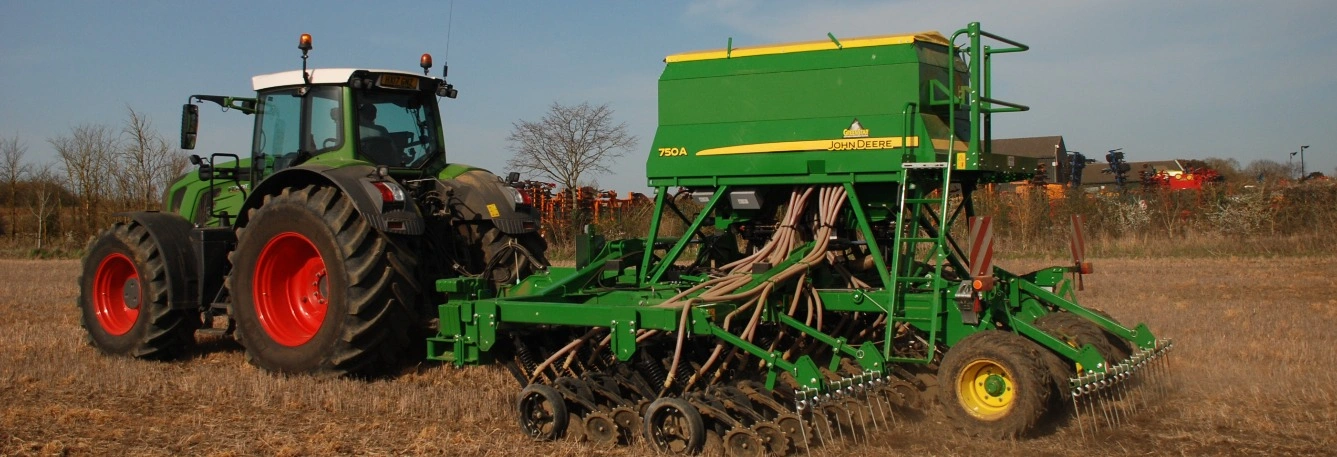
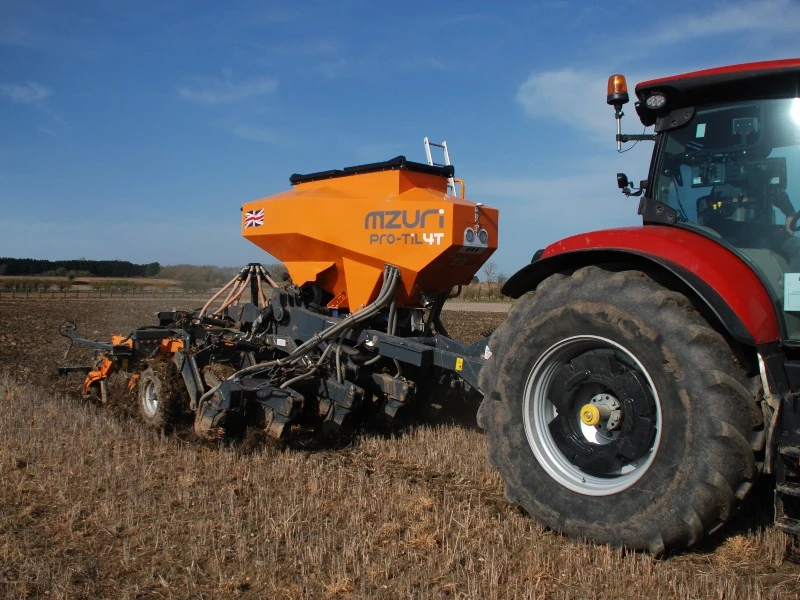
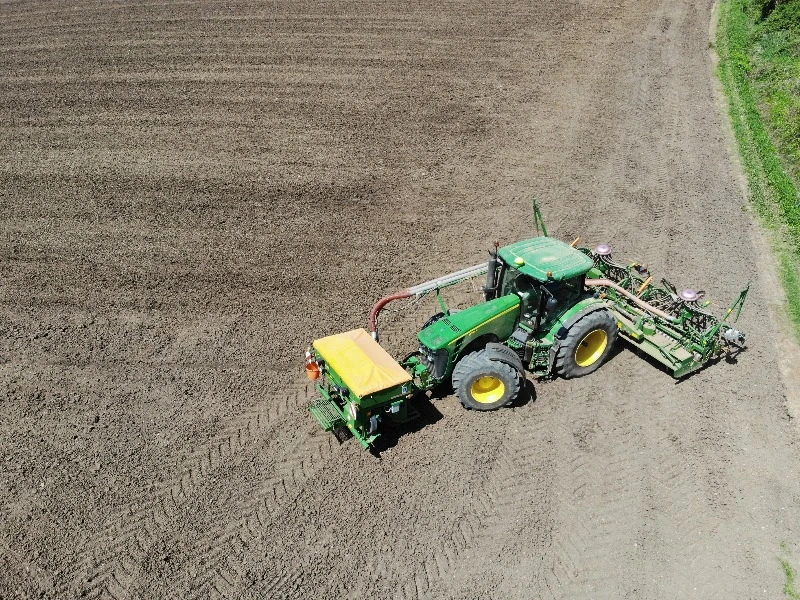
We've sold ploughs, tine cultivators, presses, short discs and drills through multiple generations of cultivation systems.
None has completely replaced all the others.
Match the machine to the job, not the ideology
The useful question isn't:
“What is the best cultivation system?”
It's:
“What does this field need?”
If the answer is 30mm of shallow cultivation, using a machine at 250mm burns fuel and moves soil unnecessarily.
If there is serious compaction at depth, scratching the surface won't solve it.
If conditions allow you to drill directly into a good seedbed, another cultivation pass may achieve very little.
That is where a flexible machinery strategy becomes important.
You don't necessarily need to own every option.
Flexibility doesn't mean filling the machinery shed.
A farm might own the machines responsible for most of its establishment work and then hire, contract, or purchase used equipment when conditions require something different.
That becomes particularly relevant as machinery gets larger and more expensive.
The key is having access to the right machine when agronomy and conditions demand it.
After all, cultivation isn't about proving that one system is right.
It's about establishing the next crop as effectively and economically as possible.