4. Stay Open to Change
If farmers become too comfortable repeating old methods, they face one of agriculture's biggest dangers.
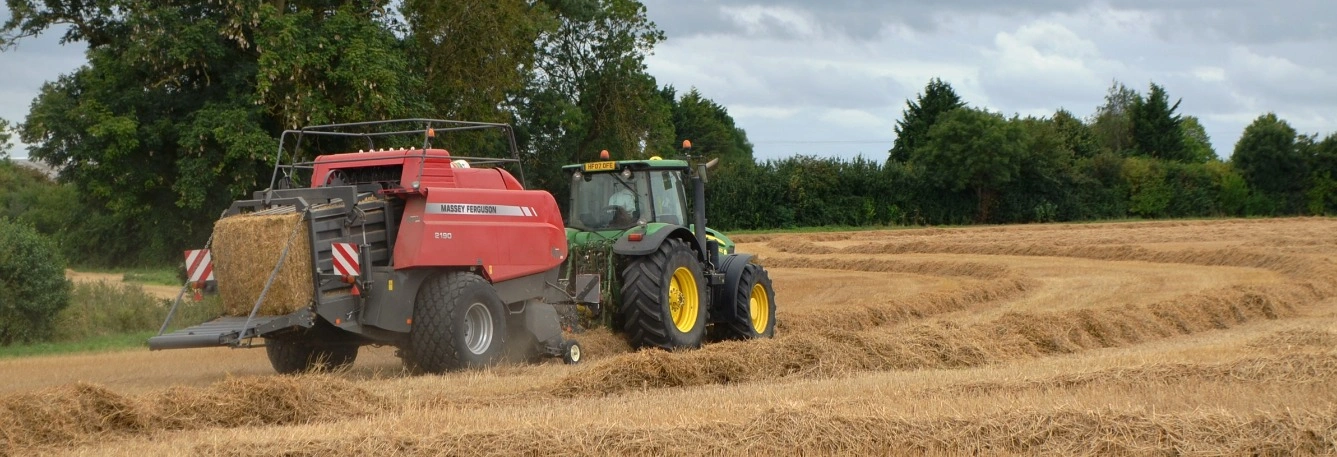
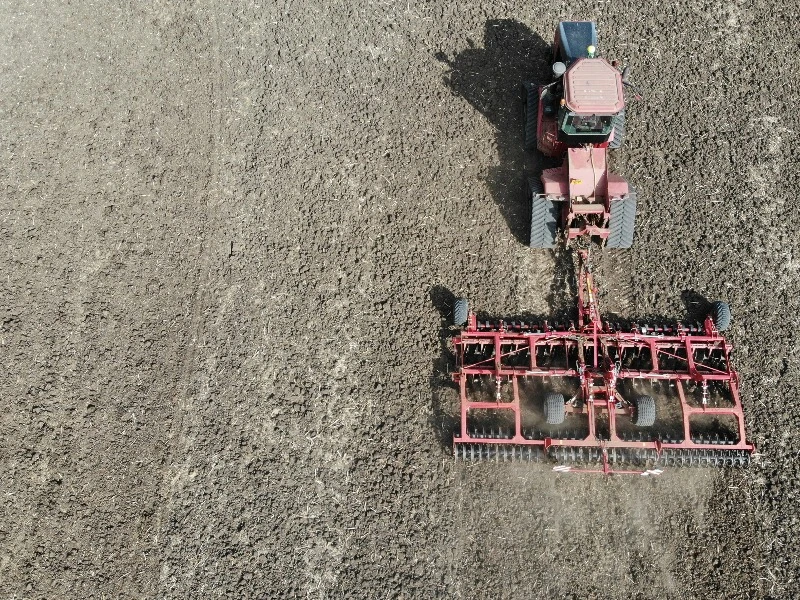
Technology, precision farming, new crops, diversification and changing markets present opportunities.
Not every new idea will work for every farm, but the businesses that remain open-minded are often the ones that keep moving forward.
Adaptability has become one of the most valuable assets farming businesses possess.
5. Build the Right Support Network
No one can know everything.
Modern farming demands knowledge in finance, agronomy, legislation, technology, machinery, environmental schemes and people management.
Successful businesses build networks of trusted advisers and ask for help when they need it.
Banks, accountants, agronomists, machinery dealers and fellow farmers support better decision-making.
Strong businesses succeed by embracing support.
6. Invest in the Next Generation
Younger people entering the industry create some of the most exciting developments in agriculture.
Fresh ideas, enthusiasm and a willingness to embrace technology are helping shape the future of British farming.
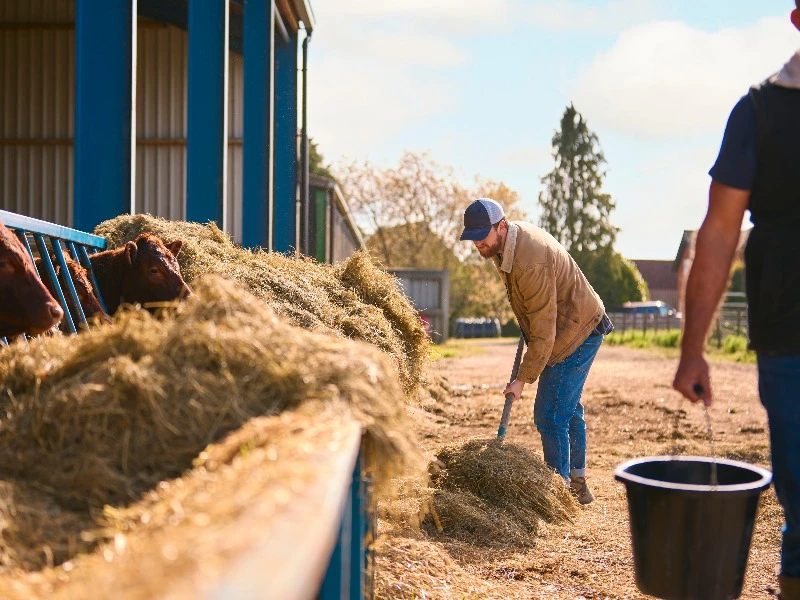
Experienced farmers and managers must mentor and support those coming through.
Knowledge shared today helps secure the industry's future tomorrow.
7. Remember There Are Still Opportunities
Negative headlines often draw focus to agriculture's challenges.
But British farming also has great strengths.
Consumers are increasingly interested in the origins of food. Technology boosts efficiency. New markets and diversification opportunities emerge. British farmers deliver food to world-leading standards.
The future may look different from the past, but there are still enormous opportunities for businesses willing to adapt.
Building Resilience for the Future
Resilient farming businesses are not built overnight.
They are built through good people, strong communication, sound financial management and a commitment to learning.
At AMTEC Group, we see farming businesses demonstrate these qualities every day. The most successful farms don't face fewer challenges—they continually adapt, invest in people, and focus on the long term.
While farming will always change, the principles for success remain the same.